NOMAD
Year
Our search for a place that feels livable again.
7,500 Miles of Travel
45 Campsites Booked
304 Travel Days Planed
Our Search for Home
After years of living with increasingly difficult — and at times nearly impossible to manage — MCAS symptoms, our family made the decision to travel the United States in search of a place where life feels more manageable again.
Over the past several years, I’ve spent hundreds of hours researching environmental triggers, climate patterns, air quality, mold risk, pollen seasons, healthcare access, and the many other factors that can influence MCAS symptoms. At the same time, we also needed to consider something equally important: finding places that support the kind of life we want for our family and the care our children need.
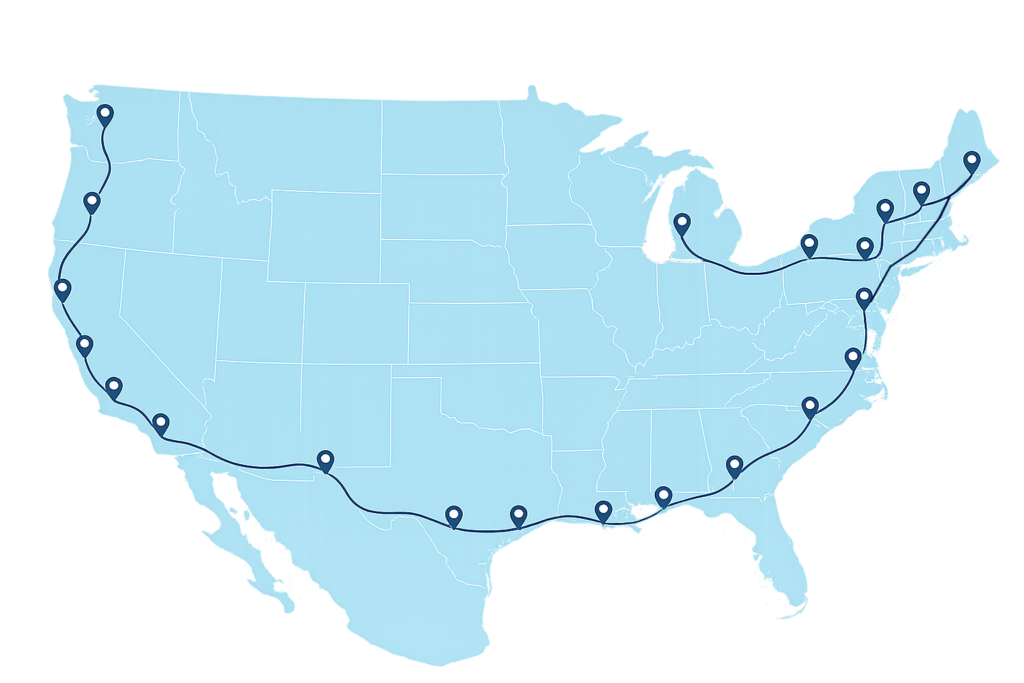
This route is the result of trying to balance both.
Some readers familiar with “MCAS-friendly” locations may notice a few notable places missing from our map — including areas like Colorado and Nevada. Using the ChatGPT-based MCAS prediction model I built (which you can read about here: How to Build a ChatGPT Model for MCAS), we narrowed our search to locations that seemed most compatible with my specific trigger patterns while still providing access to schools, healthcare, community, and long-term stability for our family.
One of the most important things I’ve learned through this process is that MCAS is incredibly individual. A place that dramatically improves one person’s symptoms may do very little for someone else. This trip isn’t about finding the perfect place — it’s about carefully testing possibilities, learning from real-world experience, and hopefully finding somewhere that feels sustainable for our family long term.
symptom tracking
As we travel, I will continue tracking both my symptoms and a wide range of environmental factors so we can better understand how each location affects my health over time.
To give the data a statistically meaningful sample size, we plan to spend at least two weeks in each candidate location. Previous travel has shown that when I am in a healthier environment, I can often begin noticing meaningful symptom improvement within about a week.
Even before leaving Michigan, some clear patterns have already started to emerge in the data. Increases in pollen levels, storm systems, humidity swings, and seasonal changes all appear to correlate with worsening symptoms for me personally. Over time, tracking these patterns has helped me move away from guessing and toward a more evidence-based understanding of my triggers.
Of course, no spreadsheet or prediction model can fully capture the complexity of living with MCAS. But having structured data has helped me identify trends I never would have noticed otherwise — and has made it easier to separate temporary fluctuations from meaningful environmental changes.
Below is a high-level look at some of the tracking data we are using during our journey. If you would like a deeper look into the methods, metrics, and models behind this process, you can explore the full Symptom Tracking page here.
Notes From the Road
-
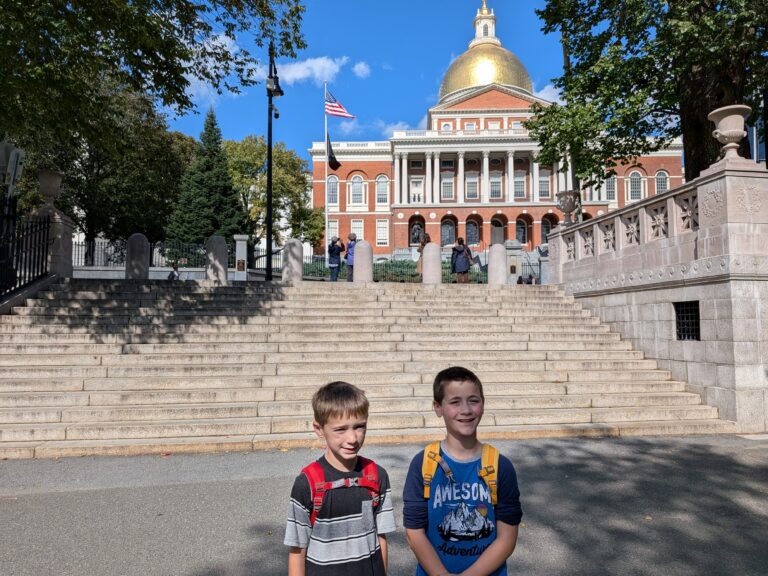
Field Notes #16 – Boston, MA
We spent three full days in the Boston area. The boys and I made the journey one day into the City, which was about a 45 minute drive followed by a 45 minute subway ride (my kids being themselves choose to ride siting on the floor 🤪). Touring the city for a homeschool day we did our best to imagine ourselves walking around in 1775, just as the revolution was beginning.
-
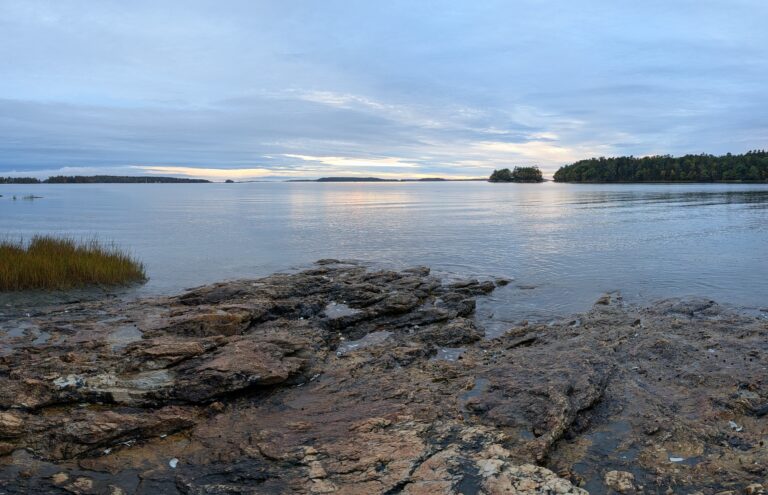
Field Notes #15 – Freeport, ME (Near Ocean)
This “What We Did” is going to be formatted a bit differently because we didn’t really go anywhere….and that was a nice change. The reason for our slow down was how great our campground at Wolfe Neck’s Center was.
-
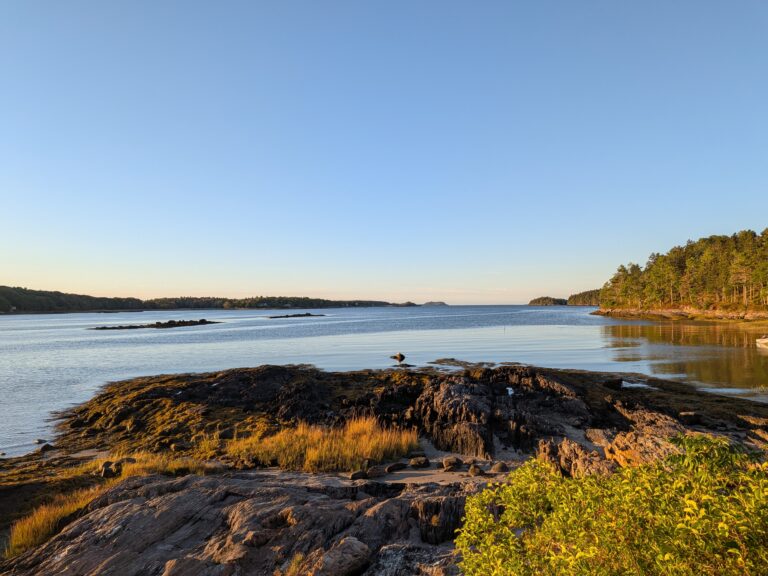
Field Notes #14 – Georgetown, ME
The most exciting part of our time in Georgetown was who we were able to spend our time with – my parents!!! They made the long drive from Michigan to Maine to spend four days with us and Meg was even able to take a day off!!
-
Field Notes #13 – Inland Freeport, ME
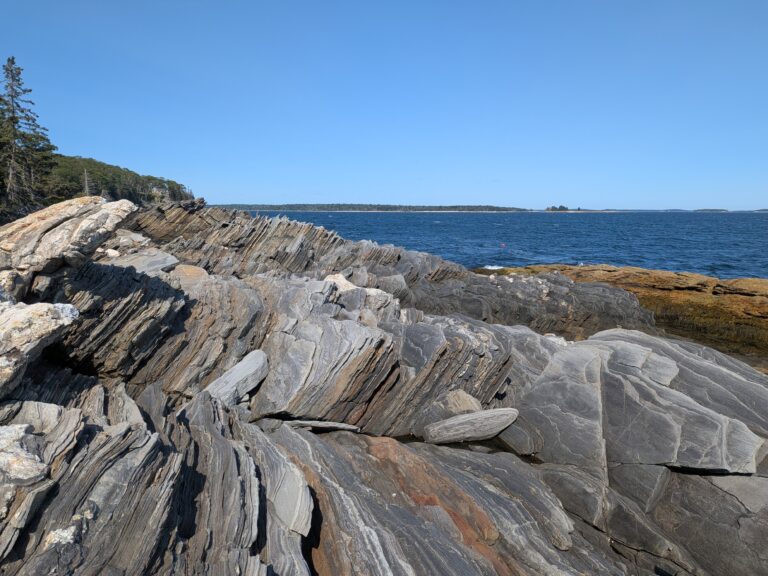
Our time in Freeport was as amazing as we remembered it from our visits over 10 years ago. While I really struggled with intense symptoms we still managed to have a good time with the boys in the area.
-
Field Notes #12 – Return to Smuggler’s Notch, VT
Our return trip to the Smuggler’s Notch area of Vermont did not go as we hoped from a symptoms standpoint, but it was still an awesome visit exploring the area again. There was so much we didn’t get to in the first week we were here and it was great to have another week to spend in the area.
-
80 Days, 11 Campgrounds: What We’ve Learned So Far
When we left on our year-long RV journey we packed everyone two pairs of athletic shoes and some sandals. We very quickly learned that was not enough to meet the demands of our new lifestyle and how important good shoes are.
Our boys’ flat bottom basketball shoes left them skipping and sliding over exposed rocks every hike and since most hikes in the Northeast are almost nothing but exposed granite, it was a big problem. We were able to order them nice hiking shoes and I have yet to see them choose to wear anything else when we leave the campground. -
Field Notes #11 – Littleton, NH
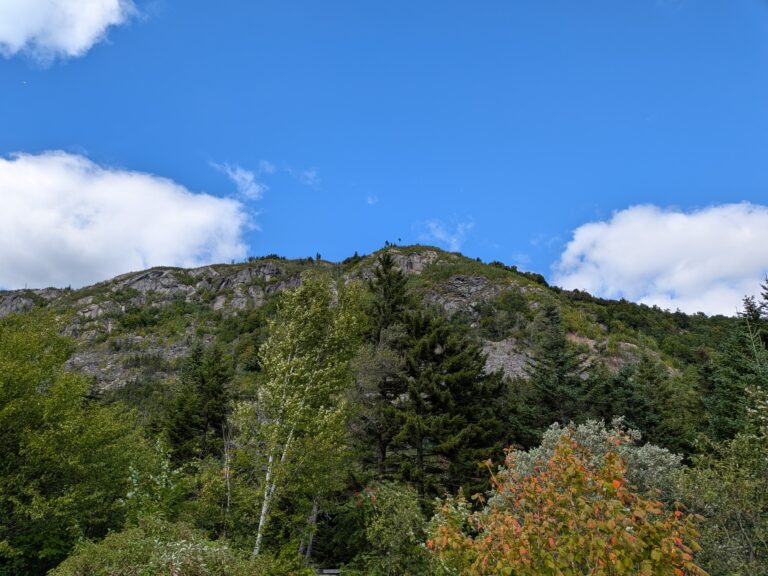
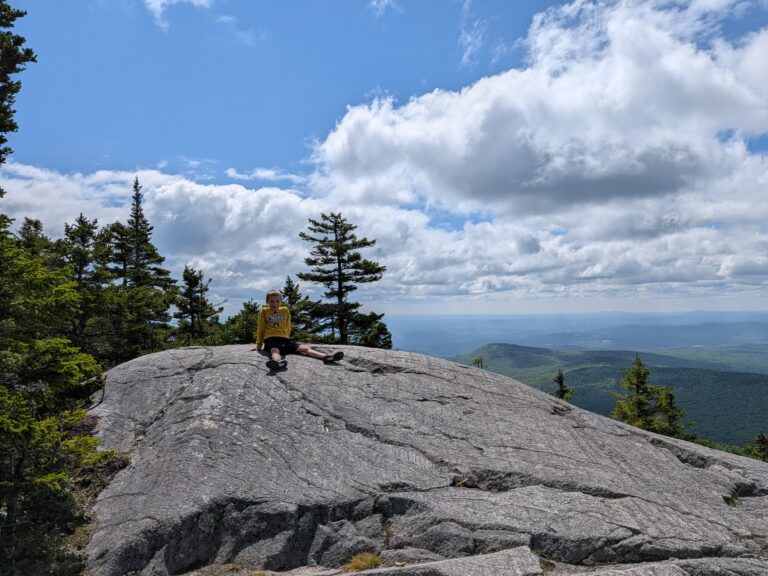
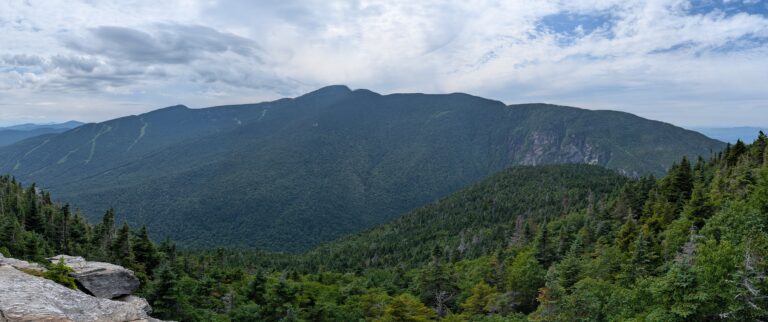
Littleton, NH was my favorite stop so far, if I were to rate our destinations on a “vacation scale” not a “livability scale”. It is just amazingly beautiful in the mountains. There are so many opportunities to explore hiking trails, unique geographic features to see and countless charming small towns to see.
-
Field Notes #10 – New Harbor, ME
The spent only fives in New Harbor Maine, but we had a great time and I felt pretty good doing it. We decided to leave early in order to go back to New Hampshire and Vermont to test out areas which might have more homes in our price range and better schools for the kids. We plan to return to Mid-Coast Maine to test out our favorite prospect in Maine, Freeport.
-
Field Notes #9 – Rockport Maine
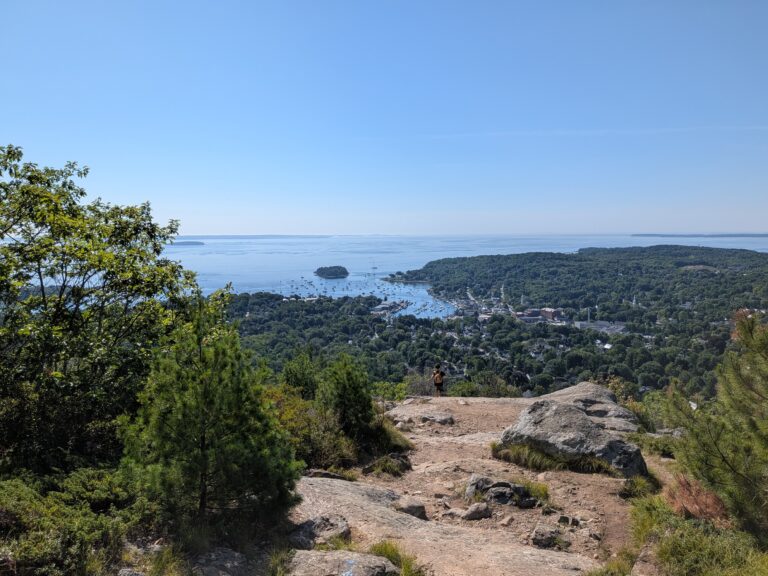
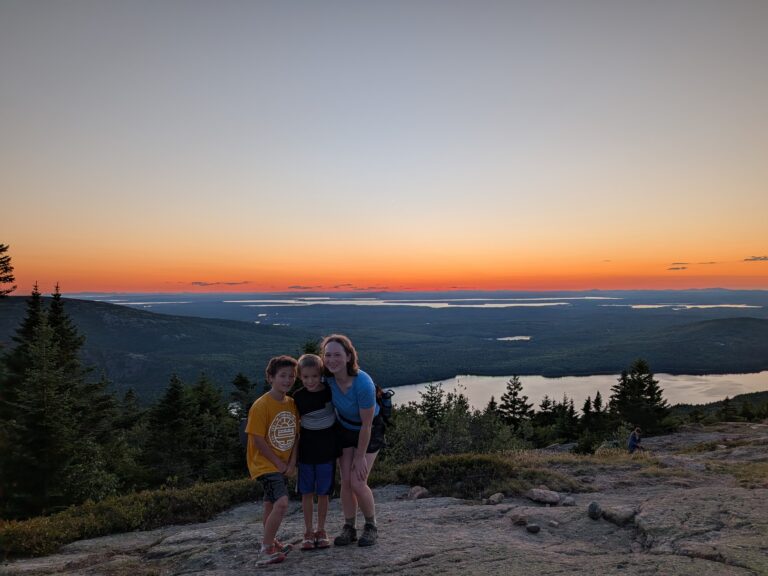
The boys and I started our week in the Rockport/Rockland/Camden area with a hike up Mount Battie in the Camden State Park. The climb was short, rock, steep and technical – just how the boys like it. At the top we were rewarded with a great view of the ocean and an opportunity to climb the WW1 monument tower which sits on top of the mountain.
-
Field Notes #8 – Part Two
We started our second week of vacation time in Maine with a short walk over to the Golf of Maine Mini Golf course just 600ft from the campground. After Meg got out of work, we ran over to Northeast Harbor for some blueberry donuts from Colonel’s Bakery and Restaurant and to walk along the marina. Northeast Harbor is a picture perfect ocean side town.
-
Field Notes #8: Part 1 – Southwest Harbor, ME
This leg of the journey was supposed to be our “vacation time.” No homeschool for the kids, just a chance to enjoy everything Acadia National Park and Mount Desert Island have to offer.
It started great. We spent lots of time exploring tide pools, found several new hikes, and after even more repairs (this time replacing the bike’s shifter cable), we were finally able to get some bike rides in as well.
-
Field Notes #7 – Unplanned Stop
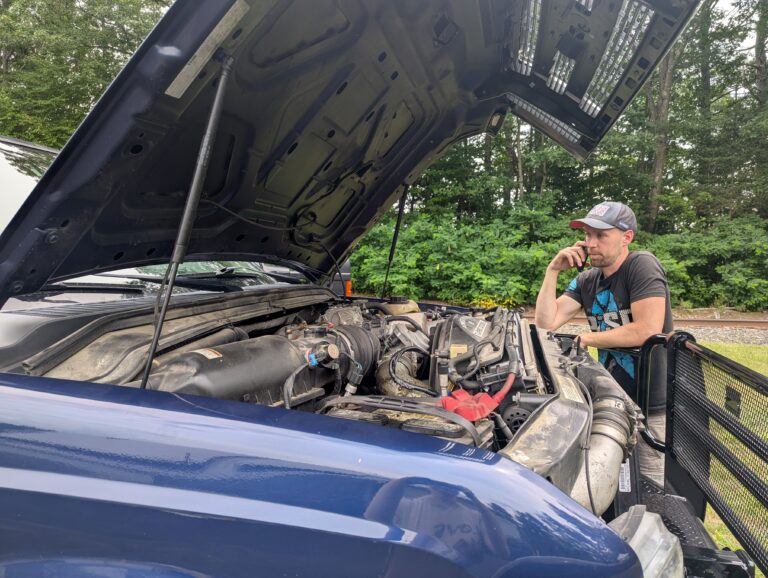
For those of you who have been following along with our journey across the United States to find a location where my MCAS symptoms are better, you might notice that this post looks a bit different than the previous ones. This was on purpose, because we didn’t plan on making this stop. Our truck decided to.
We were planning to spend the morning driving through New Hampshire’s White Mountains before continuing east into Maine—a drive of about five and a half hours to Sebasticook Lake Campground. We were going to stay there for a couple of days while Meg had important meetings and then continue on to Southwest Harbor, Maine. Once again…our truck had other plans.
-
Field Notes #6 – Goshen, NH
We didn’t do as much while camping in Goshen due a lot to the three days of storms and because we had already been here for almost three weeks. We spent a lot of time enjoying the beautiful campground beach and Rand’s Pond. We got the boys each a tube, which they had a blast using in the pond and to get out to the floating dive platform.
We did sneak a few hikes in between the rain and homeschool time. We hiked the Sawyer Trail (which a name like Sawyer how could we not!!) which was an easy 1 mile hike through a mature forest. One morning we also to the short drive to the Ruth LeClair Memorial Trail, which is a 3 mile hike around a beautiful man-made lake.
-
Field Notes #5 – Newport, NH
We didn’t struggle to find things to do in the Sunapee Lake area. We managed to find everything from full day trips to the Quechee Gorge area to nice evenings out picking blueberries at a U-pick farm down the road.
Probably our most eventual day was a trip to the Quechee Gorge hike, the amazing Vermont Institute of Natural Sciences (VIMS) Raptor Center and the King Arthur Bakery, Café, Store & School. It was incredible how well the Raptor Center at VIMS held the boys attention.
-
Field Notes #4 – Woodbury, Vermont
Woodbury, VT turned out to be a challenge for us, both in terms of my symptoms and for finding things to do with the kids.
-
Field Notes #3 – Smugglers Notch, Vermont
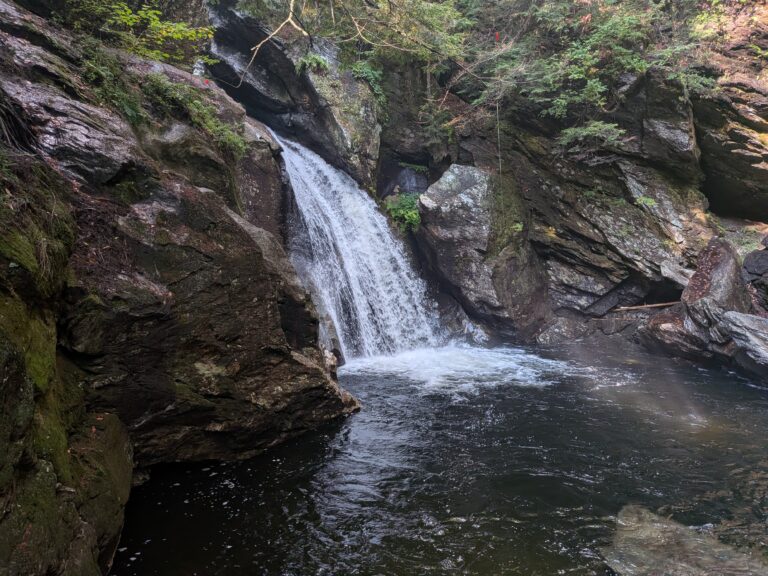
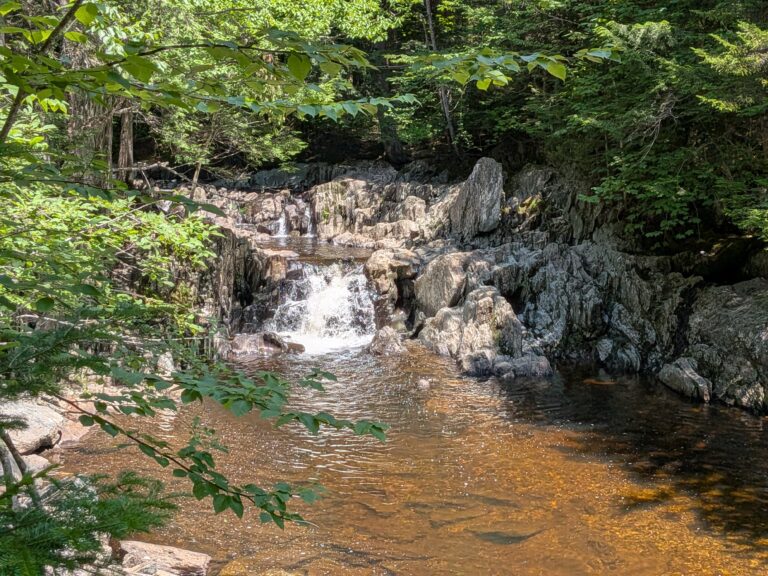
We were able to pack a ton of exploring into our time in the Smugglers Notch area. No doubt about it the boys favorite part of this area was the diverse and numerous opportunities to go swimming. My favorite part was getting to explore with them and to finally start feeling better!!
-
Field Notes #2 — Niagara, New York at Niagara Woodland Campground
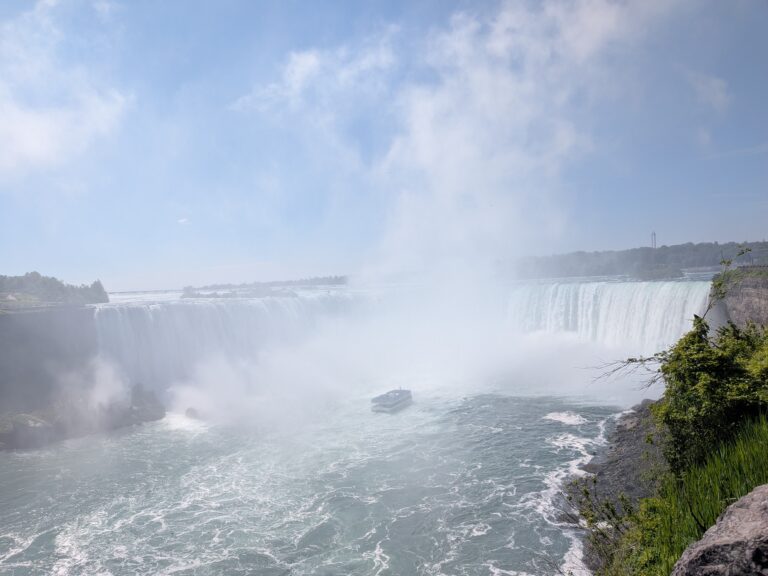
The Niagara area was an awesome pit-stop for us! It proved to have plenty to do for a few days, but it was not the best for MCAS. My symptoms spiked here.
-
Field Notes #1 — Cleveland, Ohio at Roundup Lake
We really enjoyed our second trip ever to the Cleveland area. The Cuyahoga Valley National Park area is set up so nicely for biking with the tow path going along the river throughout the park. We had a great time hiking with the kids who loved all the rocks they could scramble over and spending time in the river.
-
How We Prepared Our Truck and Camper for a Year of Full-Time Travel
We’re On The Road! Today we completed the first leg of our 7,500-mile journey around the country in search of a place where I might finally find some relief from my MCAS symptoms. My wife and two sons have sacrificed a tremendous amount to make…