Sometimes it is an Adventure and Sometimes it is an Adventure….Dammit.
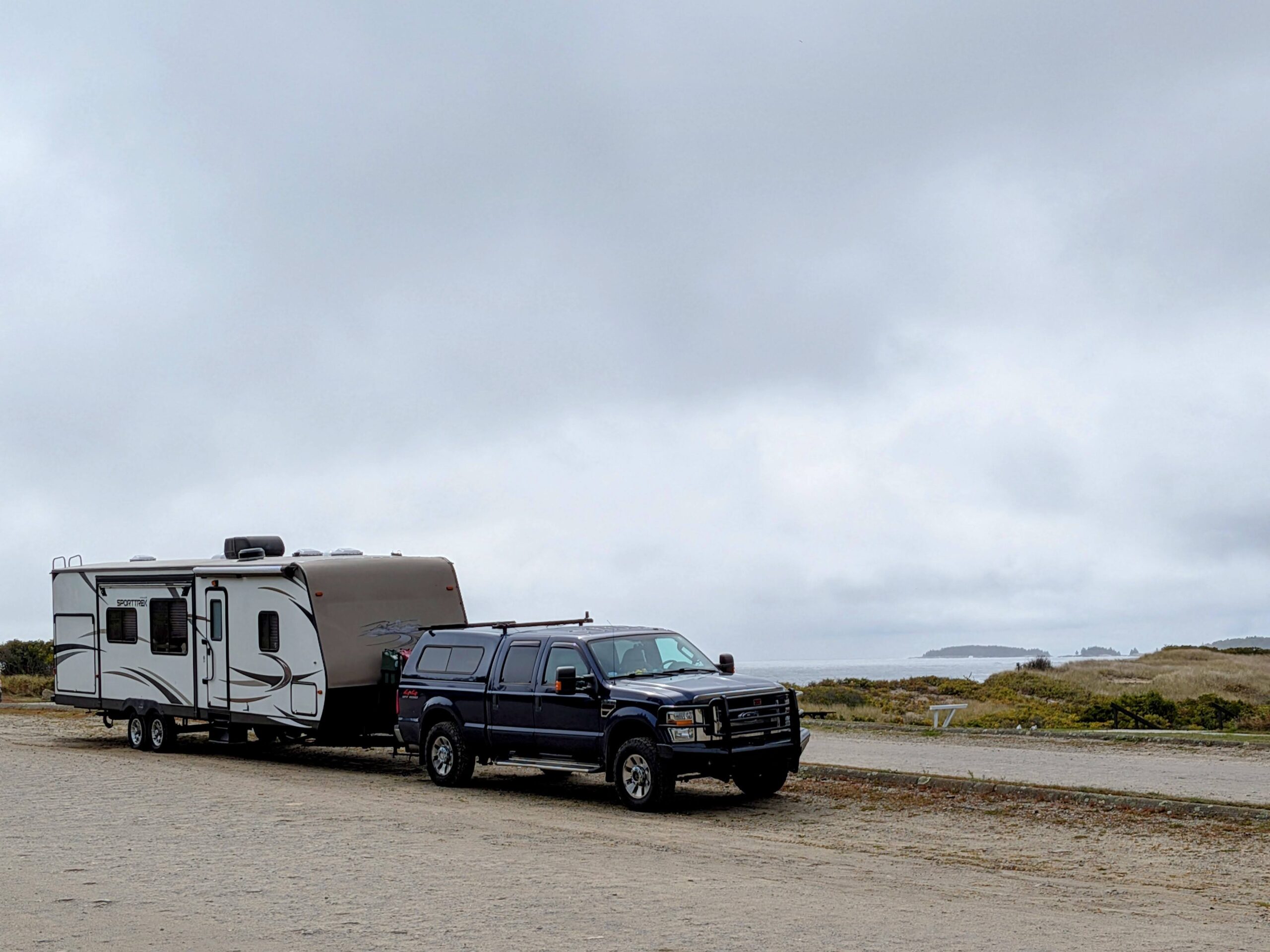
A summary of our time in the Northeast.
We’ve wrapped up our time exploring the Northeast, and I’ve spent a lot of time thinking about what we’ve learned, what we’ve experienced, and what it all means for our family.
I’ve already written plenty about the places we’ve visited and the things we’ve done, but I wanted to take a different approach to this summary. This one is less about where we went and more about what this experience has actually been like, both the good and the bad.
We have found a lot that doesn’t work, a bit that does, and more questions than answers.
What works
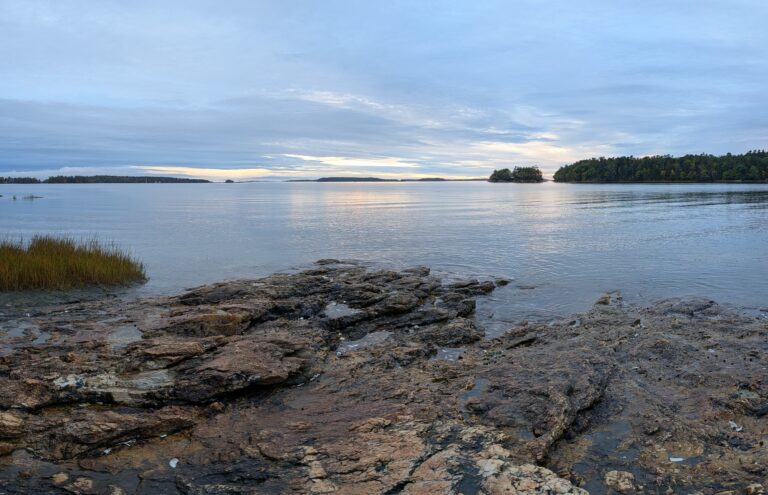
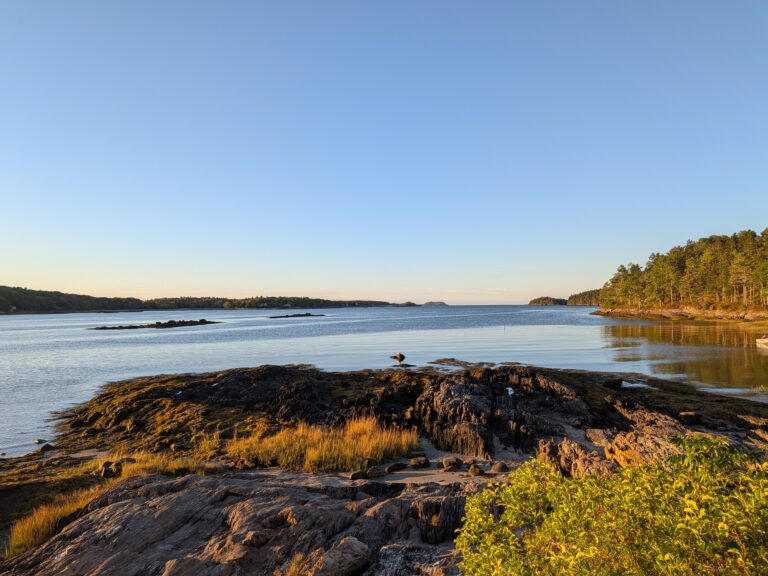
We found two “zones,” if you will, that seem to work consistently: rocky shores directly on the ocean in Maine and rocky, high-elevation alpine and sub-alpine zones in Maine and Vermont. We found one likely candidate zone that we did not get a chance to run a confirmation test on: very remote, medium-elevation, rocky, conifer-dominated areas directly in the White Mountains of New Hampshire.
Challenges with our zones of success
While we were lucky enough to prove that the environment I am in can have a huge impact on my symptoms, and thank goodness for that, it also creates some new challenges. That discovery, at least as far as we know to this point, validates our decision to seek out a different place to call home that hopefully provides the sustained relief I found in Georgetown, Maine. However, our successes to this point all come with huge challenges that more than likely will disqualify them from serious contention.
The bubble challenge with our Maine and Vermont successes
Our success on the shores of Maine and in high rocky sub-alpine zones are greatly hindered by the geographic size of the areas that work. In order for me to find symptom relief on the ocean shore, we repeatedly found that I have to be close enough to the ocean to have unobstructed exposure to it. Just moving one tree line away seems to cause me to lose all the benefits that the ocean provides.
The same happens with the mountain zones in Maine and Vermont. I have to be above the hardwoods and in the sub-alpine, conifer-dominated forest where no grasses and weeds grow. Once I leave that zone, the benefit goes away. This means that every time I leave the zone where we would live, I would experience symptoms: soccer games, errands, work, social events, etc., because the bubble is so small.
Finding a place where I can feel good is wonderful, but finding a place where I can actually live while feeling good is a very different challenge.
Finding housing
A challenge with the mountain zones is that people just don’t build up that high. There are too many legitimate logistical challenges around driving access, getting utilities, and more. When they do, those homes tend to be either very small and/or very expensive.
Similarly, homes along the ocean shore in Maine are also very expensive unless you are willing to go quite far north into Downeast Maine where, once again, access to services and basic necessities becomes very challenging.
Similarly, homes along the ocean shore in Maine are also very expensive unless you are willing to go quite far north into Downeast Maine where, once again, access to services and basic necessities becomes very challenging.
The White Mountains might not have a bubble, but they are hindered by access to services
The White Mountains might be the most robust success we found, however, we only had success in VERY remote areas of the White Mountains where we would really struggle to find the services we want for our kids. Driving three hours for services might be okay if we needed them very infrequently, but for our kids, who likely would need them weekly or more, we just can’t live there.
The Northeast Might Actually be Worse Than the Midwest.
While staying in the small safe bubble zones we found produced pretty consistently low symptoms, spending more than half a day outside of those bubbles frequently resulted in symptoms worse than what I experienced in Michigan.
Four hours
We consistently found that it took about four hours for my system to start feeling much better or much worse. Four hours on top of Cadillac Mountain or on the ocean shore in Maine could significantly reduce my symptoms. Similarly, four hours into our stay at a new campsite and I could already be experiencing drastically worse symptoms. The most dramatic example of this was when we went to our inland Freeport campsite, where my symptoms shifted dramatically in a matter of hours and stayed miserable for our entire weeklong stay.
More intense symptoms that lasted longer
Looking at my recorded symptoms, there is a case to be made that the baseline exposure I experienced in the Northeast is worse than what I experienced in Michigan. When I was not in a good zone, my symptoms often rapidly increased, and I repeatedly broke all-time high symptom scores on my tracking sheet that lasted for days.
This was certainly not what we were hoping to discover when we set out to explore the Northeast. We knew finding somewhere better might be difficult, but I don’t think we expected to find so many places that were actually worse.
This was certainly not what we were hoping to discover when we set out to explore the Northeast. We knew finding somewhere better might be difficult, but I don’t think we expected to find so many places that were actually worse.
Sometimes It Is An Adventure.
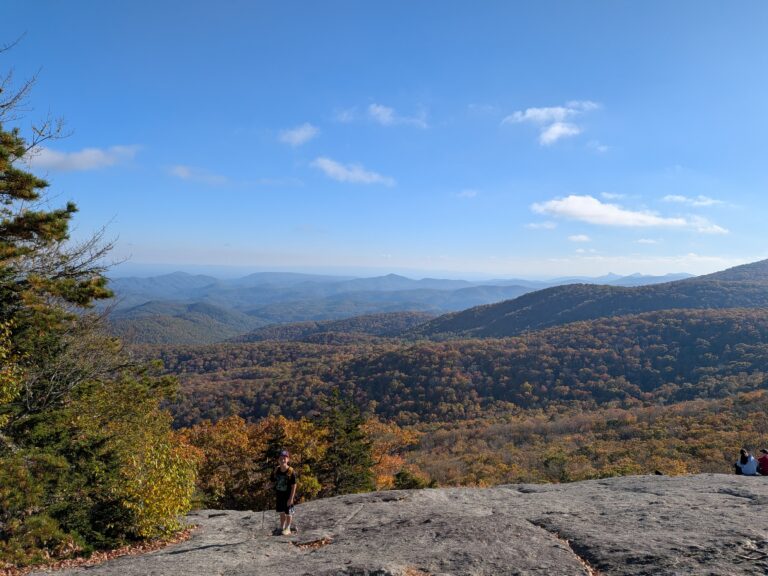
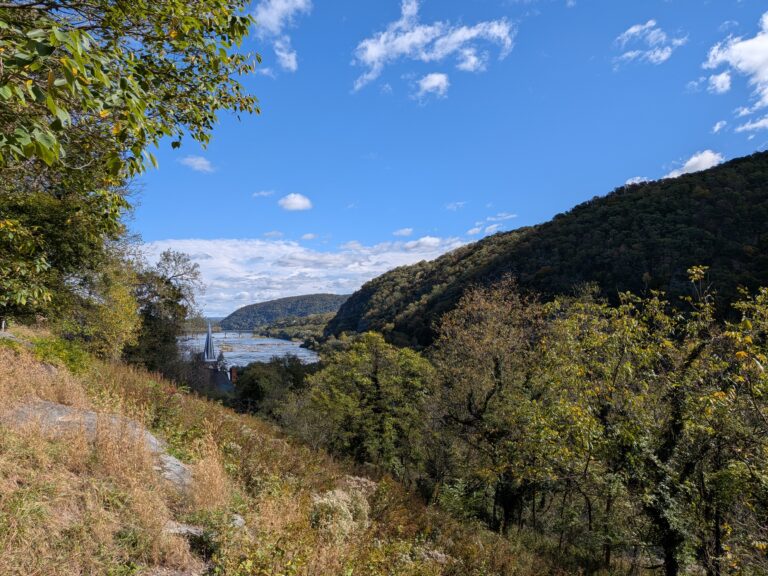
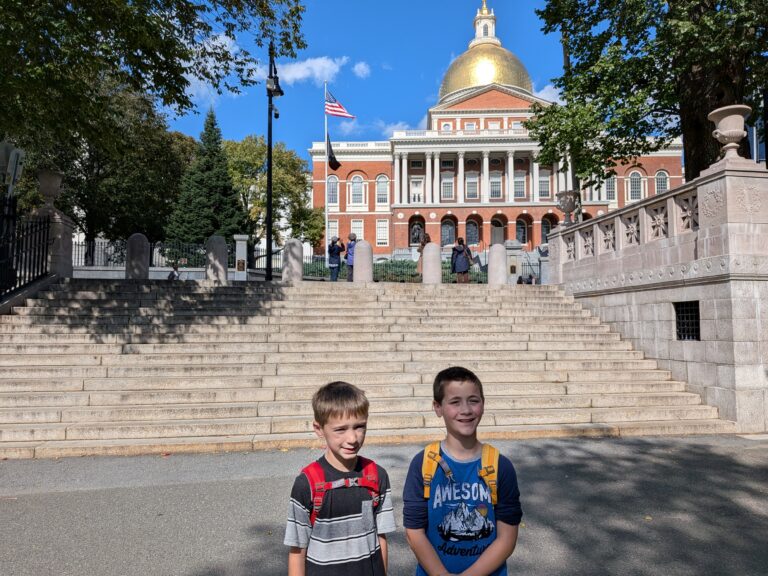
We have had the opportunity to do and experience things that most families only get to dream about. We’ve hiked mountains, explored some of the most beautiful places in the country, experienced communities and landscapes completely different from what we knew in Michigan, and made memories with the boys that I hope will stay with them for the rest of their lives.
I’ve spent the last several months documenting those adventures in our field notes, complete with plenty of pictures, stories, and the occasional mishap. If you’d like to see what we’ve been up to, I encourage you to take a look. There have been some pretty incredible experiences, and I don’t want to repeat all of them here.
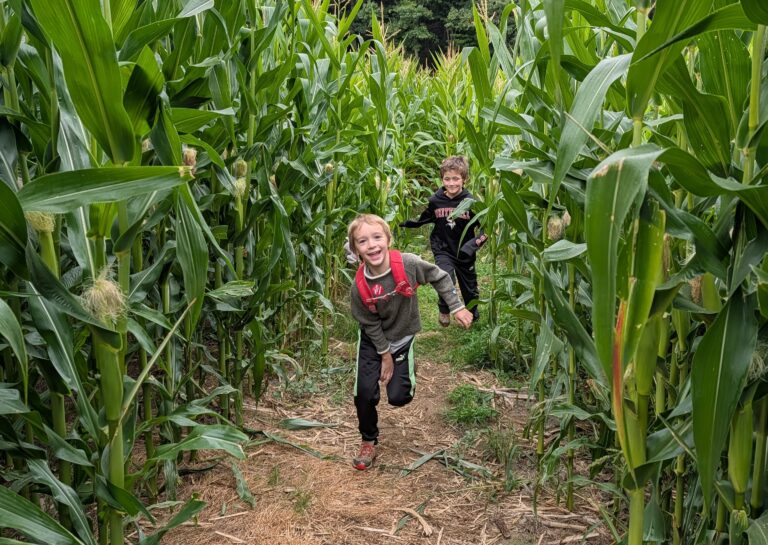
We’ve also gotten to spend an extraordinary amount of time together as a family. Not all of that time has been wonderful (there is only so much togetherness you can fit into a 32-foot camper before someone starts losing their mind!), but we’ve shared experiences that simply wouldn’t have been possible if we had stayed home.
We’ve watched the boys explore new places, try new things, and experience a world much bigger than the one they knew in Michigan. And while I don’t know what they’ll remember most about this year, I hope some of these experiences stay with them for a long time.
And perhaps most importantly, we’ve learned that there are places where I can feel dramatically better.
For the first time in years, I’ve had stretches where I could run, hike, play with the boys, sleep through the night, and feel more like myself again.
Those experiences have given us something we didn’t have when we left Michigan: a reason to believe that a better quality of life might actually be possible when it comes to my symptoms.
It’s hard to overstate how important that discovery has been. After years of trying medications, changing routines, and doing everything I could think of to manage my symptoms, I’ve gotten to experience what feeling well again can actually be like.
We certainly haven’t found all the answers we were hoping for. But that doesn’t mean we haven’t found some wonderful things along the way.
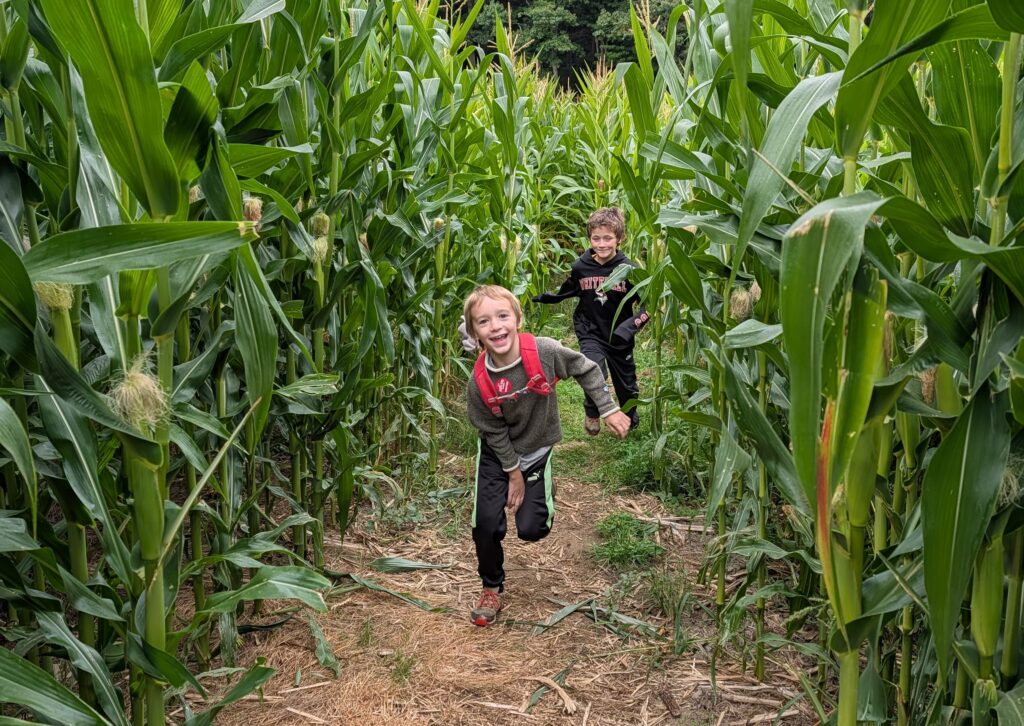
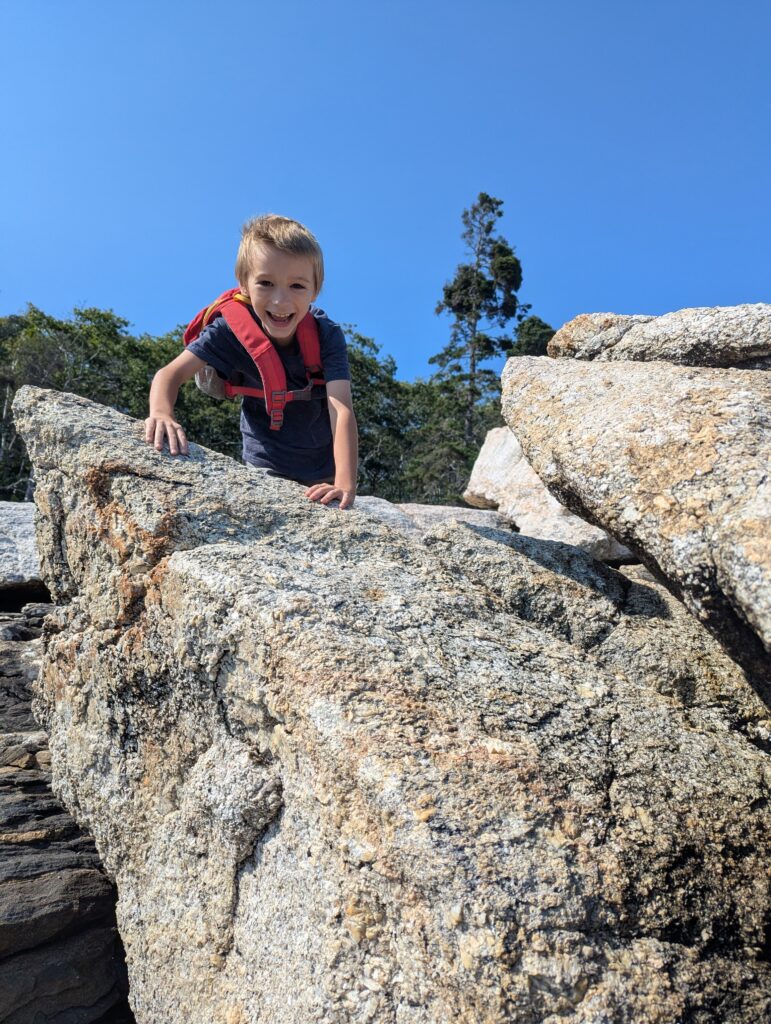
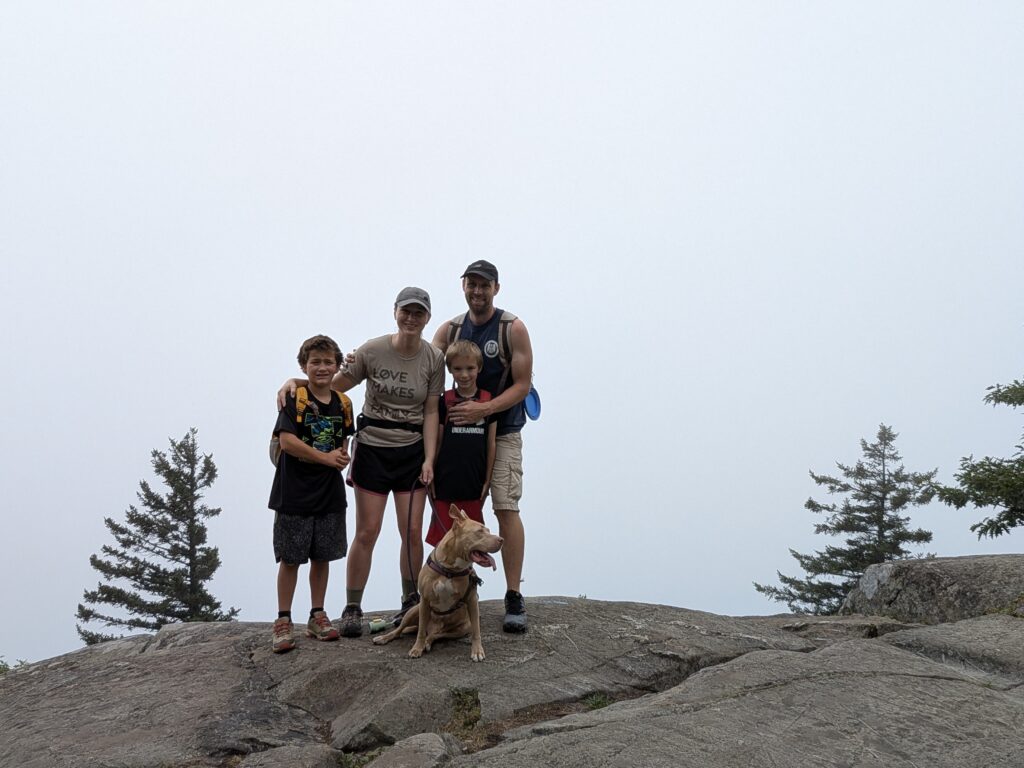
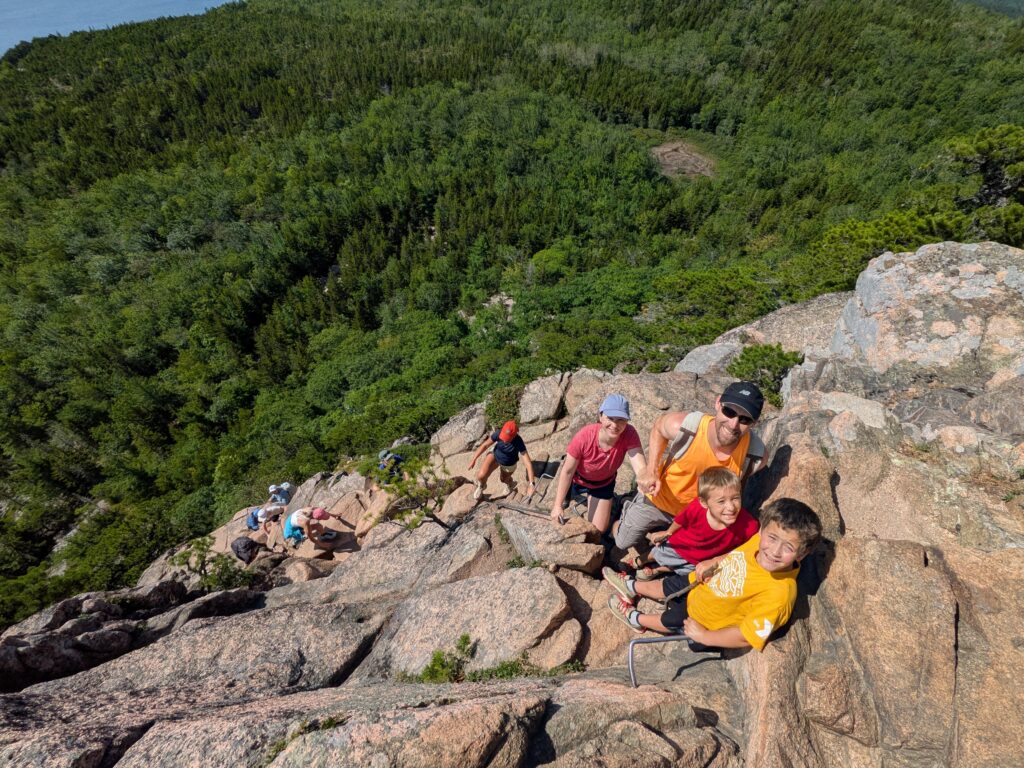
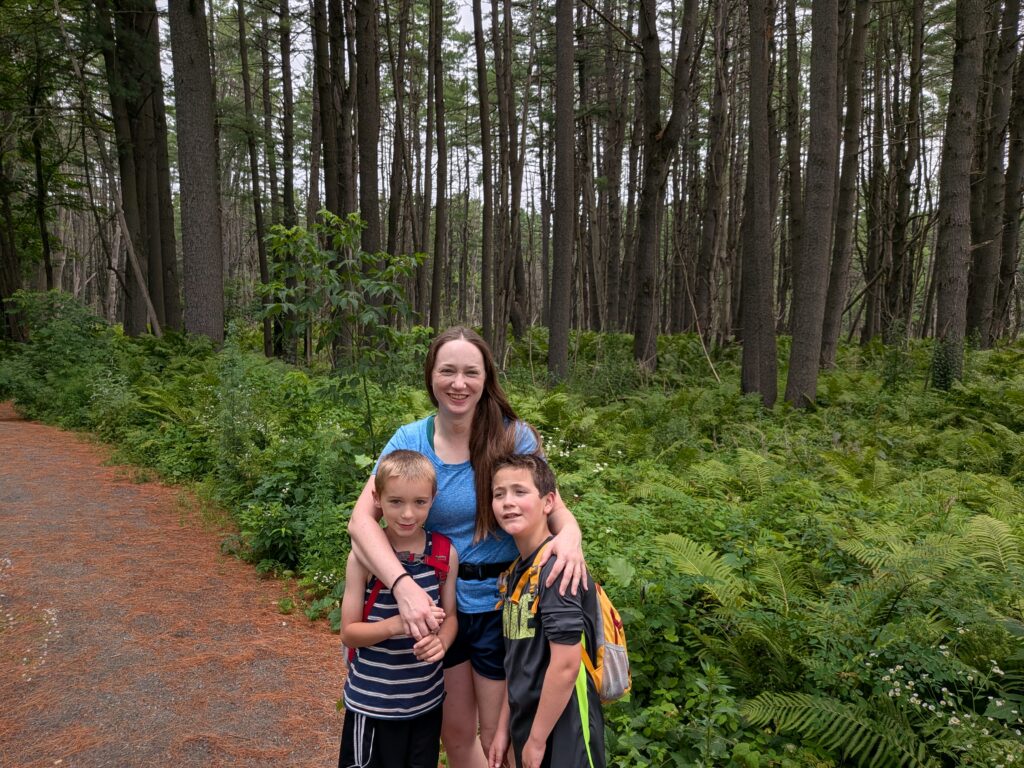


Sometimes It Is An Adventure, Dammit.
As wonderful as those experiences have been, there is another side to this adventure. While this is a once-in-a-lifetime opportunity to tour the country, unfortunately, it is far from a vacation.
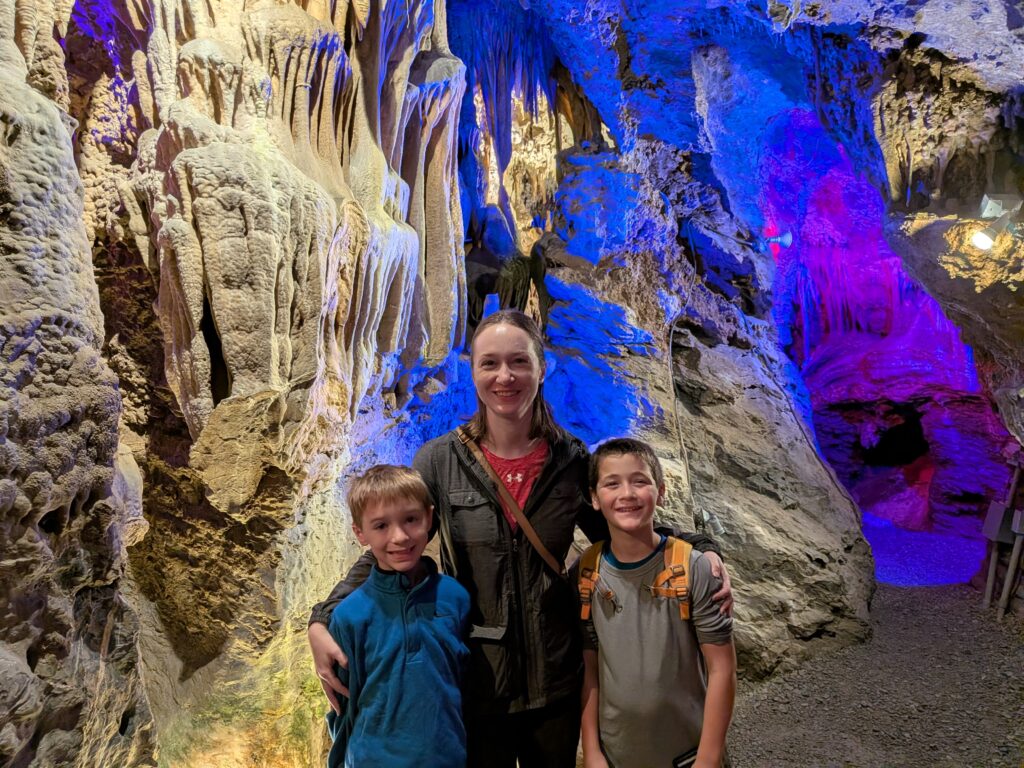
So while I may mostly write rosy summaries of what we did, don’t let the posed pictures and “Facebook-filtered” summaries fool you.
This adventure has been one of, if not the hardest thing we have ever done. Living with a chronic illness is difficult enough on its own, and I’ve written before about what that experience is like in my post about living with chronic illness. I won’t repeat all of that here, but those challenges haven’t gone away just because we’ve packed up our lives and started traveling. If anything, trying to manage them while living on the road has added a whole new layer of complexity.
The Challenges of Living on the Road
There are a lot of challenges that come with living on the road that, individually, might not seem like much. But when they become part of everyday life, and you have to solve them over and over again, they really start to add up.
Nomadic Life
While a simplified and free lifestyle is often glorified, in reality, modern life just isn’t set up for people who don’t have a permanent address and don’t stay in one place. Getting mail is a big challenge, and honestly, we are still figuring it out after too many close calls where we almost weren’t at the location where we had something sent.
Medical services like doctor visits, the vet for Remi, and prescriptions are a constant battle.
Staying connected to the internet for school and work is a puzzle to be solved with each move, and keeping all of our single points of failure working on the truck and camper is an ongoing challenge. Each time something goes wrong, you are always on the clock to fix it before you have to move…or keep moving if it breaks while you are traveling. I have already had to fix radiator hoses, brake wires, weight distribution hitches, camper awnings, and more while we were in the middle of a drive.
And unlike living in a house, where you can often put off fixing something for a few days, many of these problems simply have to be solved. There isn’t always someone you can call, a convenient place to take the camper, or even a good place to park while you figure it out.
Sometimes we have legitimately not known how we were going to solve a problem. We eventually figure something out, but that doesn’t make the time spent not knowing any less stressful.
Homeschool Challenges
Especially early on, homeschool felt impossible.
The boys instantly found ways to game the homeschool online system while I was focused on helping the other kid. We also spent months just working on being able to do our schoolwork before we were able to actually start focusing on what we were trying to learn. Both boys struggled with being willing to put in the effort to write multiple sentences, stick with hard problems, or tackle reading out loud.
All of this is happening while we are constantly moving, figuring out new routines, and trying to give the boys some semblance of a normal childhood. It has gotten better, but it has taken a tremendous amount of work to get here.
The Challenges of Living on the Road
While the physical and logistical challenges of our adventure have been difficult, they are nothing in comparison to the emotional toll this experience has taken on us.
You Can Feel Good Here, but You Can’t Live Here
This has been one of the hardest parts of the entire adventure.
There have been times when we have found somewhere truly wonderful. A place where my symptoms improve, where we enjoy the community, where we can picture a life for our family. Then we start looking at the reality of living there and realize: the houses are too expensive in the safe bubble, or the schools aren’t what we need or the services are too far away or the area where I feel good is so small that I would have to give up much of the life we are trying to preserve. A lot of the time, it is all of those together.
There is something incredibly disheartening about finding a place where you finally feel better, allowing yourself to imagine living there, and then realizing that it probably isn’t going to work. Each time, it’s not just another location crossed off the list. It’s another version of our future that we have to let go of.
After a while, it becomes harder and harder to let ourselves get excited about a new place, because we have been through that disappointment so many times already. It also means we are crossing off more and more top choices off our list, leaving us with only more dramatic lifestyle changes remaining.
You feel good here, but you have to leave
The other side of finding these good places is knowing that you are going to have to leave and make yourself feel worse again.
It was so hard to leave places like Littleton, NH, and Georgetown, ME. By the end of our time at each location, I was starting to feel superhuman.
I was going for late-night runs of five or six miles, I was working out, chasing down frisbees with the boys, hiking mountains, sleeping through the night…it was amazing. Mentally, there is a huge shift too. I wasn’t constantly looking for signs that my symptoms were returning. I had more tolerance for life to go wrong because I felt better.
I was starting to feel like myself again.
Then, just when I was starting to get accustomed to feeling well again, it was time to go and likely head somewhere where I was going to lose the ability to do all those things. The worst part is that I knew what was coming. I knew there was a good chance I would be right back to the pain, fatigue, and misery that had become so normal before.
That step back towards pain, fatigue, torture…it’s not easy.
Symptom relief at the cost of quality of life
My wife and kids have given up so much in the pursuit of the chance of me feeling better, and those sacrifices are just beginning.
I wish it were different, but it is the situation we are in. The boys have left behind their friends, their activities, their home, and the familiarity of the life they knew. Meg has taken on an enormous amount of uncertainty, all while continuing to work and helping hold everything together.
And we still don’t know what we are going to ask them to give up next.
It is hard not to feel the weight of that. I want this adventure to give them opportunities, not take them away. I want them to look back on this year with wonderful memories, not as the year they had to give up everything because Dad was sick.
So then the natural question is, how much symptom relief is worth their loss of normalcy?
How much of the life we wanted for our kids are we willing to give up so that I can feel better?
This…this is the really hard conversation Meg and I often return to.
We hoped that somewhere affordable in the Northeast would work out. The Northeast could provide a life pretty similar to what we, and more importantly, the boys, are used to. Local youth sports, space for raising chickens and goats, soil for gardens, no wildfires and extreme heat, easy flights or the chance to drive back to Michigan.
Now that the Northeast looks like it is not an option, we are forced to consider locations that are far away, or extremely remote, or the desert…or all three. Those places would really change our kids’ lives.
On the other hand, what are we giving up if we choose somewhere that doesn’t provide the relief I need? When I am feeling well, I can run around with the boys, play, coach, work, and be the dad and husband I want to be. When I am sick, so much of that disappears.
There isn’t an easy answer here. We are trying to balance my health with the needs of the entire family, and sometimes it feels like every choice requires somebody to give up something important.
Financially, like so many people, the economy just changed too fast
We are not in the same position we were so fortunate to be in 10 years ago when we moved to Montague. At that time, Meg and I were both employed, and we moved from a higher cost-of-living area to a much lower cost-of-living area.
Now we are in the exact opposite situation.
The places that have so far proven to be healthy areas, or look to potentially be healthy areas, are much more expensive than where we were in Montague. I am not employed and have not been employed for almost five years now. Inflation has rapidly outpaced our income, the changes happening in our careers, including AI, have made our future job opportunities feel increasingly uncertain, and this illness makes it difficult for me to physically work unless we live in a large safe zone, something we have not yet found.
It’s a difficult reality to accept. We aren’t just trying to find a place where I can feel better. We have to find somewhere we can actually afford to live and rebuild a financially sustainable life. The longer this search goes on, the harder that challenge becomes.
Sometimes we just want a house again
The camper’s setup is about as perfect as we could ask for, but at the end of the day, it is still a camper. We are grateful for what it allows us to do, but nobody really likes living in the camper. It’s small. Everyone is always on top of each other. There isn’t much room to get away, spread out, or just do your own thing.
So often, we just wish we could do the things that living in a house allows you to do for the kids, but it just isn’t possible and won’t be for at least nine more months. I loved when the boys would have an idea and we could just walk outside and make it a reality. Build something in the barn, add to their playset, imagine outside.
None of us regret what the camper has made possible, but I think we are all looking forward to the day when we can stop living in it.
We don’t know where we are going when this is all done
We have spent months traveling, gathering information, recording symptoms, exploring communities, evaluating schools, and trying to solve an enormously complicated problem.
We have learned a lot, but in the one way that matters most, finding a place where our family can build a sustainable life, we still don’t have an answer and that uncertainty affects nearly everything.
How do we prepare for our careers when we don’t know where we are going to live? How do we find the right long-term services for the kids? How do we plan for the next chapter of our lives when we don’t even know what that chapter is going to look like?
We can’t start building a community, establishing routines, or making the kinds of decisions that most families can make knowing where they will be living next year.
Not knowing what is next, how to prepare for it, and knowing we have fewer resources to solve the challenges that new life will bring…isn’t easy. In many ways, we have put our lives on hold while we try to figure out where we can live them.
We have learned a lot about what works, a lot about what doesn’t, and maybe most importantly, just how complicated finding a new home is going to be. For now, we keep going, keep learning, and keep hoping that somewhere along the way we find a place that works not just for my symptoms, but for our family.
Most Importantly — Thank You.
I haven’t done the best job keeping in contact personally with so many of our friends and family. This trip is a lot, and it is hard to remember to make time for the things that are important.
Even though we haven’t been able to see and speak to all of you nearly as often as we would like, we have gotten to know that you are following along with us, reading along as we go on this adventure, with us every step of the way.
I can’t describe in words how much it has meant to me that this little blog gets five or six legitimate visits a day from our loved ones who are checking in on us, supporting us from afar, and even occasionally reaching out to say hi, offer ideas and solutions, and more, which we are so grateful for when that happens.
On the days when things are particularly hard, it helps to know that people are out there thinking about us, even when we haven’t had the time or energy to stay in touch the way we would like.
So thank you, from the bottom of our hearts, for doing that for us.
Love and miss you all. This was a tough read but appreciate your sharing the reality of the journey. Hopefully you’ll accumulate additional data as you travel that might lead you to locations you didn’t previously consider. Thank you for taking the time to make these posts.
Thanks for taking the time to read it! We hope so too!
Meg and the boys say hi!